
Table of Contents
Introduction to Power Banks
Definition and Importance of Power Banks
Power banks, also known as portable chargers or battery packs, are portable devices that store electrical energy and can recharge electronic devices on the go. They typically contain a lithium-ion battery, circuitry for controlling electricity flow, and USB ports for connecting devices.
Power banks are essential in today’s digital age. With increasing reliance on smartphones and portable devices, a reliable portable power source is crucial. Power banks allow users to recharge anywhere, whether traveling, working remotely, or at events. They offer peace of mind as a backup power source during emergencies or outages.
Power banks are versatile, compatible with many devices like smartphones, tablets, cameras, Bluetooth speakers, and more. They can charge multiple gadgets simultaneously, making them a convenient accessory.
In summary, power banks are crucial for providing portable, reliable power for today’s electronic devices. Their convenience, portability, versatility, and backup power make them essential for anyone relying on their devices.
Overview of Different Types of Power Banks in the Market
Power banks come in various types based on capacity, size, features, and technology:
- Capacity:
- Low (Under 5,000 mAh): Compact and lightweight for partial smartphone charges
- Medium (5,000-15,000 mAh): Can charge smartphones multiple times, suitable for moderate use
- High (Over 15,000 mAh): Large capacity for charging multiple devices or larger items like tablets
- Size and Portability:
Power banks range from compact, pocket-sized models to larger, heavy-duty versions. Consider portability needs when selecting size. - Features:
- Multiple Ports: Allow simultaneous charging of multiple devices
- Fast Charging: Quickly charge devices using special technology
- Wireless Charging: Charge without cables using Qi technology
- LCD Display: Shows battery level and charging status
- Technology:
Power banks use lithium-ion or lithium-polymer batteries, each with advantages and disadvantages.
The market offers diverse power banks to suit various needs. Consider capacity, size, features, and technology when choosing one that fits your charging requirements and budget.
Benefits of Using High-Quality Power Banks
High-quality power banks offer numerous benefits over lower-quality options:
- Superior Performance: High-quality power banks use advanced technology and components for efficient charging, reliable power delivery, faster speeds, and stable output. This ensures devices charge quickly without interruptions.
- Enhanced Safety Features: Quality power banks have safety mechanisms to prevent overcharging, overheating, short circuits, and other risks. Advanced safety features protect the power bank and connected devices.
- Longer Lifespan: High-quality power banks are built with durable materials and rigorous testing for longevity. They last longer than cheaper alternatives, saving money by reducing replacement frequency.
- Compatibility and Versatility: Quality power banks are compatible with a wide range of devices, including smartphones, tablets, cameras, and more. They often have multiple ports and varying capacities to accommodate different charging needs.
- Faster Recharge Times: High-quality power banks recharge quickly themselves, allowing faster replenishing of their power supply. This is useful when in a hurry or needing the power bank ready at a moment’s notice.
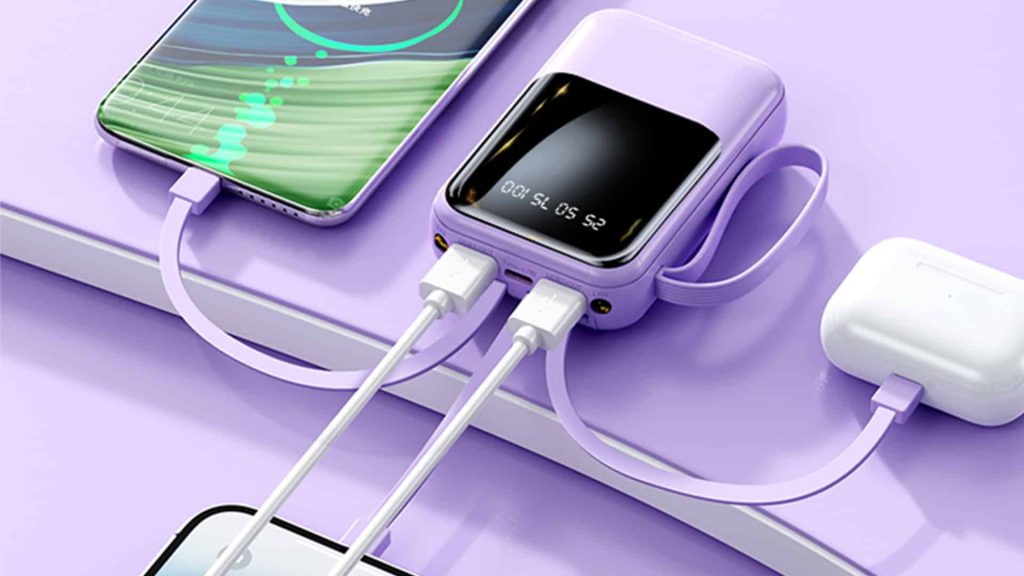
In summary, high-quality power banks enhance the overall charging experience with superior performance, safety, durability, versatility, and faster recharging. Investing in quality is a smart choice for efficient, reliable device power.
Understanding High-Cost Performance
Exploring the Concept of High-Cost Performance in Product Design
High-cost performance emphasizes achieving a balance between cost-effectiveness and quality in product development. It involves creating products with exceptional performance and quality while maintaining affordability. This approach requires considering factors like materials, manufacturing processes, and design efficiency to optimize value for both manufacturer and end-user.
One key aspect is strategically using high-quality, cost-effective materials that offer durability and reliability without significantly increasing production costs. Selecting the right materials that meet performance requirements while being cost-effective ensures the final product delivers value without compromising quality.
Another important consideration is optimizing manufacturing processes to enhance efficiency and reduce costs. Designers must analyze production methods, identify opportunities for streamlining, minimize waste, and improve productivity to deliver high-quality products at competitive prices.
High-cost performance also involves designing products with features and functionalities that meet target consumer needs and preferences. Conducting thorough market research and understanding customer requirements allows developing products with superior performance and user experience, enhancing perceived value and competitiveness.
In conclusion, high-cost performance is a strategic approach focused on delivering high-quality products with exceptional performance at affordable prices. By integrating cost-effective materials, efficient manufacturing, and consumer-centric design principles, designers can create products that meet quality standards and provide excellent value to consumers.
Balancing Quality and Affordability in Power Bank Design
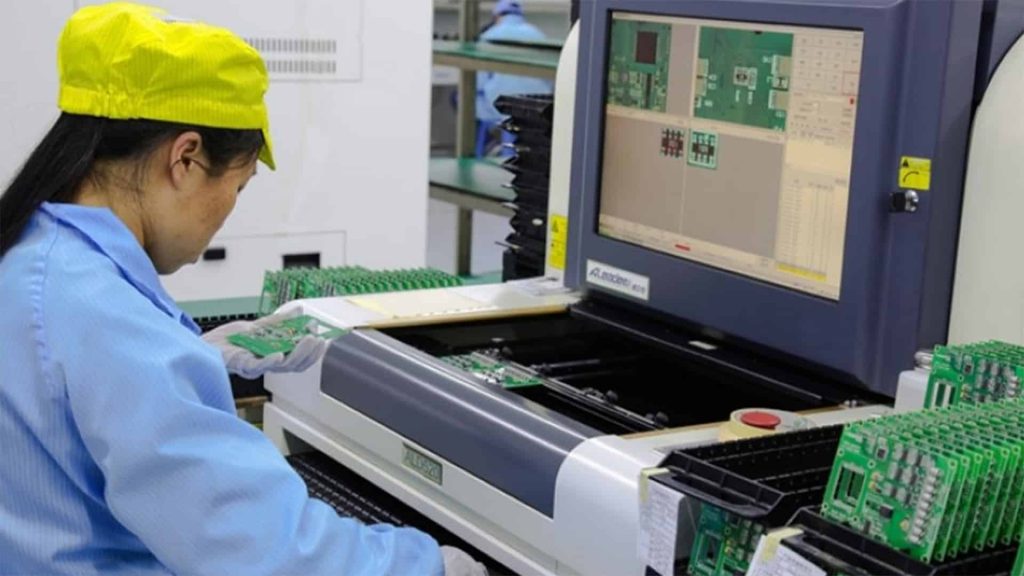
Balancing quality and affordability in power bank design is crucial for developing high-performance, cost-effective products. Achieving this balance requires a meticulous approach with strategic decisions at various stages of the design process.
- Component Selection:
Selecting high-quality components is essential for power bank reliability and performance. However, the most expensive components may significantly increase production cost. Designers must strike a balance by choosing components offering good quality and cost-effectiveness. Thorough research on available components and their performance helps in making informed decisions. - Efficient Design:
Efficiency plays a key role in balancing quality and affordability. Optimizing design for efficiency reduces overall production cost without compromising performance. This can be achieved through careful consideration of circuit layout, power conversion efficiency, and energy storage capacity. Innovative design solutions help maximize performance while minimizing costs. - Quality Control:
Maintaining stringent quality control measures throughout manufacturing is essential to ensure the final product meets desired standards. Implementing quality control protocols allows identifying and rectifying potential issues early on, reducing the risk of costly defects or failures. Investing in quality control procedures may incur initial costs but significantly enhances overall quality and reliability in the long run. - Cost Optimization:
Cost optimization is critical for achieving balance between quality and affordability. Designers should explore cost-saving strategies like bulk purchasing components, streamlining manufacturing processes, and minimizing unnecessary features. Identifying areas where costs can be optimized without compromising quality allows developing high-quality power banks at competitive prices.
In conclusion, balancing quality and affordability in power bank design involves a multidimensional approach considering component selection, design efficiency, quality control, and cost optimization. By prioritizing these aspects and making informed decisions at each stage, designers can create high-performance power banks that offer excellent quality at affordable prices.
Case Studies of Successful Products with High-Cost Performance
Several case studies in the book illustrate the concept of high-cost performance, highlighting successful products that achieve a balance between high quality and affordability, providing valuable insights for designers and manufacturers.
- Product X: Developed by Company A, a leading industry player known for innovative designs and high-quality products. Despite the competitive market, Company A created a power bank with cutting-edge features and superior performance at a reasonable price point. By leveraging advanced technology and efficient manufacturing, Company A achieved high-cost performance, attracting a large customer base and gaining a competitive edge.
- Product Y: Introduced by Company B, a startup specializing in portable charging solutions. Despite limited resources and budget constraints, Company B designed a power bank exceeding customer expectations in quality, reliability, and affordability. By focusing on key features resonating with consumers and optimizing design for cost-effectiveness, Company B achieved high-cost performance and established a strong brand presence.
- Product Z: Highlights a collaborative effort between Company C, a renowned power bank manufacturer, and a leading technology partner. By combining expertise and resources, the two companies developed a power bank setting new benchmarks for performance and value. Through strategic sourcing, efficient production processes, and rigorous quality control, Company C and its partner delivered a high-cost performance product exceeding industry standards and resonating with consumers.
These case studies demonstrate that achieving high-cost performance in power bank design is possible through innovation, strategic partnerships, efficient manufacturing, and customer-centric design. By learning from these success stories and applying key principles, designers and manufacturers can enhance product development strategies and create power banks offering exceptional quality and value at affordable prices.
Designing High-Quality Power Banks
Factors to Consider in Designing High-Quality Power Banks
Designing high-quality power banks requires careful consideration of various factors to ensure optimal performance and user satisfaction:
- Battery Capacity: The battery capacity is a crucial factor impacting power bank performance and runtime. Higher capacity batteries provide more power and longer charging. It’s important to choose high-quality lithium-ion batteries with appropriate capacity to meet user needs.
- Charging Speed and Efficiency: Designing a fast-charging, highly efficient power bank is essential for user convenience. Consider incorporating quick charge technology and optimized circuitry to ensure fast, efficient device charging.
- Safety Features: Safety is paramount in power bank design to prevent overheating, overcharging, short circuits, and other hazards. Include safety features like overcurrent protection, temperature control, and short circuit protection to ensure safe operation.
- Durability and Build Quality: A high-quality power bank should withstand daily use and provide long-lasting performance. Choose durable materials and robust designs that can handle impacts and rough handling, ensuring functionality and reliability over time.
- Portability and Design: Consider the power bank’s size, weight, and overall design for portability and ease of use. A compact, lightweight design with convenient features like LED indicators and built-in cables enhances user experience.
- Compatibility and Connectivity: Ensure the power bank is compatible with a wide range of devices, including smartphones, tablets, and other electronics. Include multiple output ports with different power ratings to accommodate various devices and charging requirements.
- Brand Reputation and Warranty: Partnering with reputable manufacturers and suppliers for components and materials helps ensure power bank quality and reliability. Offering a warranty or guarantee instills confidence and provides customer assurance.
By carefully considering these factors in the design process, manufacturers can create high-quality power banks that offer reliable performance, safety, and user satisfaction at an affordable price point.

Importance of Using Reliable Components and Materials
Using reliable components and materials is crucial in designing high-quality power banks with affordable prices. The quality of components and materials directly impacts performance, durability, and safety. Here are key reasons highlighting the importance of using reliable components and materials:
- Enhanced Performance: Reliable components and materials contribute to overall power bank performance. High-quality batteries, circuit boards, and other components ensure efficient energy conversion, faster charging speeds, and consistent power output. This results in a reliable, high-performing power bank that effectively meets user needs.
- Durability and Longevity: Utilizing reliable components and materials makes the power bank more durable and long-lasting. Quality batteries and sturdy casings can withstand frequent use, physical impacts, and environmental factors, ensuring the power bank remains in good working condition for an extended period. This enhances the overall value proposition for consumers.
- Safety and Reliability: Using reliable components and materials is essential for ensuring power bank safety and reliability. Inferior quality components can lead to overheating, short circuits, or even battery explosions, posing serious risks. Reliable components undergo stringent quality checks and adhere to safety standards, reducing malfunction and accident chances.
- Customer Satisfaction: When customers invest in a power bank, they expect consistent performance and reliability. Using reliable components and materials helps meet these expectations and enhance customer satisfaction. A high-quality power bank that performs well and lasts long will earn positive reviews and repeat business from satisfied customers.
- Brand Reputation: Using reliable components and materials reflects the manufacturer’s commitment to quality and reliability. This, in turn, enhances brand reputation and builds consumer trust. A brand known for producing power banks with reliable performance and durability will attract more customers and maintain a strong market position.
In conclusion, using reliable components and materials in designing high-quality power banks is crucial. It impacts product performance, durability, safety, customer satisfaction, and brand reputation. Manufacturers should prioritize sourcing quality components and materials to create power banks offering superior performance at affordable prices.
Tips for Optimizing Performance and Efficiency in Power Bank Design
Optimizing performance and efficiency is crucial for designing high-quality, cost-effective power banks. Here are key tips for achieving optimal performance and efficiency:
- Select High-Quality Components: Component quality directly impacts power bank performance and efficiency. Choose reputable suppliers for batteries, charging ICs, circuit boards, and other key components to ensure reliability and longevity.
- Efficient Circuit Design: Pay attention to power bank circuit design to minimize energy loss and maximize charging efficiency. Opt for designs reducing heat generation and improving overall energy transfer during charging and discharging.
- Battery Management System (BMS): Implement a robust battery management system to monitor and control battery charging and discharging. A well-designed BMS helps prevent overcharging, over-discharging, and overheating, improving overall efficiency and lifespan.
- Optimal Charging Algorithms: Develop and implement efficient charging algorithms tailored to the specific battery chemistry used. This optimizes the charging process, reduces charging times, and improves energy efficiency.
- Power Conversion Efficiency: Focus on maximizing power conversion efficiency to minimize energy losses during power transfer. Use high-quality power conversion components and design circuits optimized for efficient energy conversion.
- Thermal Management: Efficient thermal management is essential for maintaining power bank performance and longevity. Incorporate heat sinks, thermal pads, or other cooling mechanisms to effectively dissipate heat and prevent overheating.
- Smart Power Saving Features: Integrate smart power-saving features like auto-off functionality, low-power standby modes, and intelligent power management algorithms to minimize energy consumption when the power bank is not in use.
- Testing and Optimization:
Conduct thorough testing and optimization throughout the design and development process to identify and address any performance or efficiency issues. Test the power bank under various conditions to ensure it meets desired performance targets.

By implementing these tips for optimizing performance and efficiency in power bank design, you can create high-quality power banks that offer reliable performance, improved energy efficiency, and cost-effective pricing.